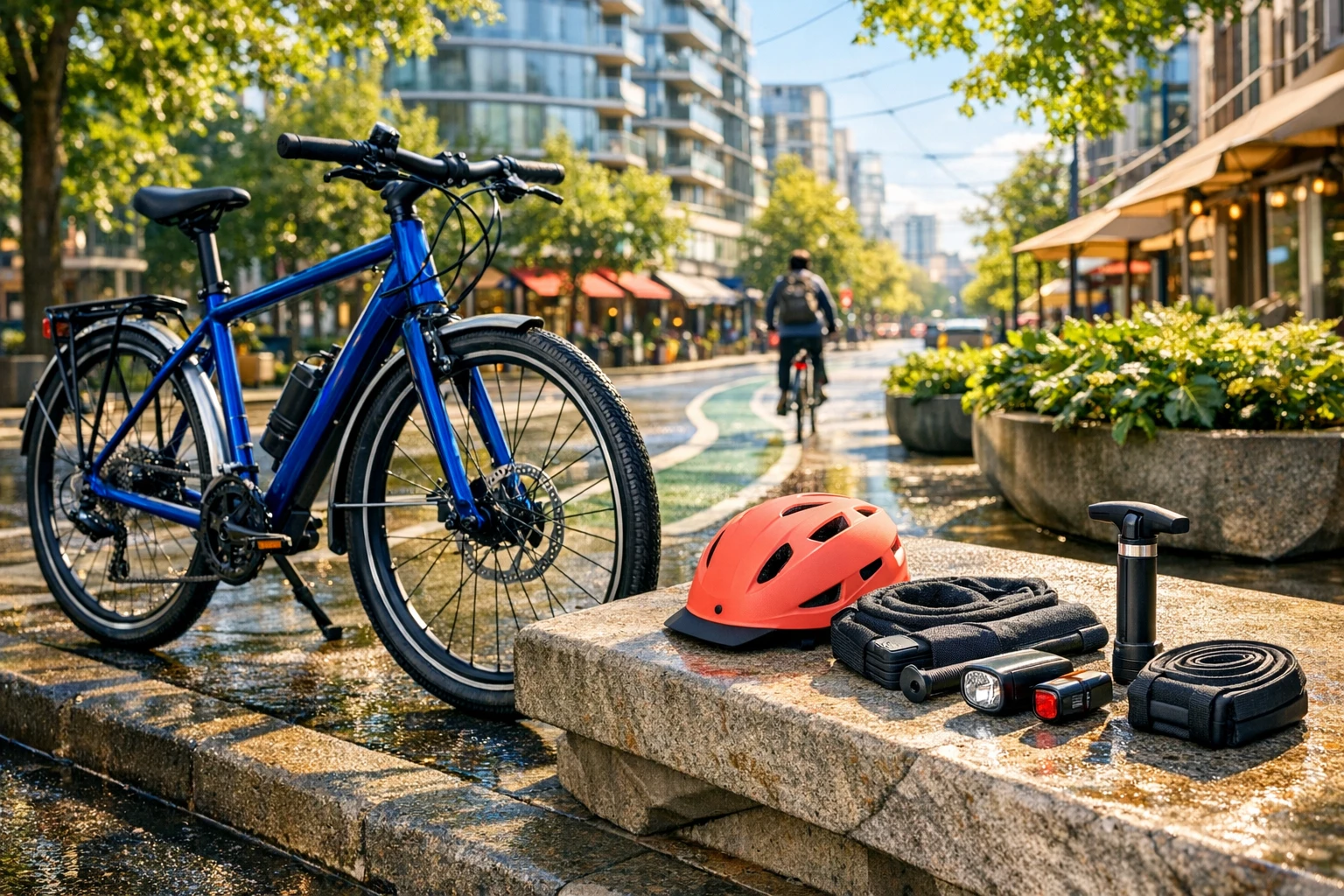
Compare Bike Prices Based on Features and Budget
Bike prices can seem messy at first, with two models that look almost alike sometimes separated by several hundred dollars. That difference usually comes from frame material, components, intended terrain, and durability instead of branding alone. Whether you are buying a first bicycle, replacing an old favorite, or upgrading for longer rides, understanding what shapes cost makes the market far easier to read. This guide maps common price bands, explains feature-based pricing, and shows how to spend wisely without paying for things you do not need.
Outline
- How bike type influences the starting price
- Which features raise or lower cost in meaningful ways
- What entry-level, mid-range, and premium budgets usually buy
- How ownership costs and used-bike shopping affect value
- How to choose the right bike for your goals without overspending
1. Bike Categories and Their Typical Price Ranges
The easiest way to compare bike prices is to begin with the kind of riding you plan to do. A commuter rolling through city streets does not need the same design as a rider climbing rocky singletrack or chasing speed on smooth pavement. In other words, price starts with purpose. A bike shop floor can feel like a crowded train station, with every model pointed toward a different destination, and the ticket price changes with the route.
For general reference, many basic kid bikes and simple recreational bicycles start around 120 to 400 USD. These usually focus on casual use, short rides, and straightforward construction. A step up from there, city bikes and hybrids often land in the 400 to 1,200 USD range. That bracket is popular because it balances comfort, reliability, and everyday practicality. Entry-level road bikes commonly begin around 800 to 1,500 USD, while more performance-oriented versions quickly move past 2,000 USD. Mountain bikes show an even wider spread: a solid hardtail may start near 600 to 1,200 USD, but full-suspension trail bikes often begin closer to 1,800 USD and can climb far beyond 5,000 USD. E-bikes usually cost more because of the motor, battery, electronics, and reinforced frame, with many decent models starting around 1,200 to 2,500 USD and premium versions stretching upward from there.
Several broad patterns help explain those numbers:
- Simple city and leisure bikes cost less because they use fewer specialized parts.
- Road bikes often charge a premium for lighter frames and faster wheelsets.
- Mountain bikes become more expensive when suspension quality improves.
- E-bikes add major cost through battery capacity, motor systems, and integrated controls.
It is also worth noting that very cheap bikes can hide compromises that matter later. A department-store bike priced under 300 USD may look attractive at checkout, but it can use heavier frames, weaker wheels, and components that wear quickly. By contrast, a 700 USD hybrid from a reputable bike brand often feels better assembled, shifts more smoothly, and requires fewer immediate repairs. That difference is not magic; it is usually the result of better materials and tighter quality control.
So before comparing brands or chasing sales, narrow the field by category. Once you know whether you need a commuter, road bike, mountain bike, folding bike, or e-bike, the price conversation becomes much more logical. You stop asking, “Why is this one so expensive?” and start asking the better question: “Expensive for what kind of riding?”
2. Features That Have the Biggest Impact on Bike Price
After bike type, features are the next major force behind pricing. Two bicycles can share the same basic shape and still differ sharply in cost because of the parts hanging on the frame. This is where the comparison gets more interesting, because not every expensive feature matters equally to every rider. A commuter may value puncture resistance and hydraulic disc brakes more than a carbon handlebar, while a serious climber may happily pay extra to save a kilogram.
Frame material is one of the biggest variables. Basic steel is common on low-cost bikes and can be durable, though it is often heavier. Aluminum dominates the mid-range because it offers a strong mix of light weight, corrosion resistance, and affordability. Chromoly steel appears on some quality commuter, touring, and gravel bikes, often praised for ride comfort and toughness. Carbon fiber usually raises the price the most, especially on road and high-end mountain bikes, because it is light, stiff, and expensive to manufacture.
Components also matter enormously. Drivetrain quality affects how smoothly a bike shifts, how long parts last, and how easy maintenance feels over time. Entry-level drivetrains work for casual riding, but mid-range groupsets generally offer cleaner shifting and better durability. Brakes are another key dividing line:
- Rim brakes are usually cheaper and lighter, but they lose appeal in wet conditions.
- Mechanical disc brakes improve stopping consistency and are common in budget to mid-range models.
- Hydraulic disc brakes cost more, yet many riders consider them worth it for stronger and more controlled braking.
Suspension can transform price in a hurry. A mountain bike with a basic coil fork will usually cost far less than one with a quality air fork, and a full-suspension frame adds both engineering complexity and maintenance needs. Wheels and tires are quieter price drivers, but they matter. Better wheelsets are lighter, stiffer, and often more durable. Wider tires, tubeless-ready rims, and puncture-protection casings can also lift the sticker price while improving ride quality or reducing flats.
On e-bikes, battery size and motor system are especially important. A larger battery usually extends range, while more refined motors offer smoother assistance, better torque delivery, and stronger manufacturer support. That is why two e-bikes with similar looks may be separated by 1,000 USD or more.
The smartest way to judge features is to ask which ones improve your daily riding, not your daydream version of riding. If you mainly commute on paved roads, a reliable aluminum frame, hydraulic discs, quality tires, and mounting points for racks may deliver far more real value than race-oriented parts. Paying for features you will never use is not premium shopping; it is just expensive guessing.
3. What Different Budgets Actually Buy
Budget-based comparison is where most buyers finally get clarity. Instead of starting with the dream bike and negotiating downward, it helps to begin with a realistic spending range and see what that amount usually delivers. The results can be surprisingly reassuring. You do not need a professional-level machine to get a dependable, enjoyable bicycle, but the budget does shape the level of performance, longevity, and refinement you can expect.
In the under-500 USD range, you are mostly shopping for basic transportation, short recreational rides, or children’s bikes. This level can work, but it demands careful selection. Simple hybrids, single-speed city bikes, and beginner hardtails are the safest bets. The main warning sign is a bike that promises too much for too little, such as a very cheap full-suspension mountain bike. At that price, the suspension is often more decoration than performance, and money has usually been taken away from the frame, brakes, and drivetrain to make the spec sheet look exciting.
From 500 to 1,000 USD, value starts to improve significantly. This is a strong zone for commuter bikes, hybrids, fitness bikes, and entry-level road or mountain hardtails. You are more likely to see lighter aluminum frames, better shifting, improved brakes, and wheels that stay true under regular use. For many everyday riders, this bracket is the sweet spot. It often delivers a bike that feels genuinely capable without paying for advanced features that only become noticeable at higher intensity.
Between 1,000 and 2,000 USD, you enter serious enthusiast territory. Road bikes become lighter and more responsive. Hardtail mountain bikes can include better forks, tubeless-ready wheels, and stronger braking systems. Gravel bikes and touring bikes also become more attractive in this range. Riders who cycle several times a week often notice the difference here, especially in shifting consistency, comfort, and long-ride confidence.
Above 2,000 USD, the market becomes more specialized. Performance road bikes, full-suspension mountain bikes, premium e-bikes, and carbon-framed models live here. The gains are real, but they are more targeted. You might pay for lower weight, more advanced suspension, electronic shifting, or a better motor and battery package. Those features can be worthwhile, yet the value depends heavily on your riding habits.
- Under 500 USD: basic use, careful buying required
- 500 to 1,000 USD: excellent for everyday riders and commuters
- 1,000 to 2,000 USD: strong performance and reliability for frequent use
- 2,000 USD and up: specialized performance, premium materials, and advanced systems
If your budget is limited, spend first on fit, braking, and durability. A comfortable bike that works every morning is worth more than an ambitious one that spends weekends waiting for repair parts. Price matters, but suitability matters more.
4. Looking Beyond the Sticker Price: New, Used, and Ownership Costs
A smart bike budget includes more than the bike itself. Many buyers focus on the showroom price and forget that ownership has a second chapter. Accessories, maintenance, and upgrades can quietly rewrite the total cost. A bicycle is not just a purchase; it is a small ecosystem on two wheels.
Start with the essential extras. Even a modest setup can add a noticeable amount to the bill:
- Helmet: roughly 40 to 150 USD
- Lock: about 30 to 120 USD, often more for urban security
- Lights: around 20 to 100 USD depending on brightness and battery type
- Pump, spare tube, tire levers, and multitool: often 35 to 100 USD combined
- Rack, fenders, or panniers for commuting: variable, but easily another 50 to 250 USD
Then there is maintenance. Chains wear, brake pads thin out, tires age, cables stretch, and suspension systems need periodic service. A casual city rider may spend very little in a year, while a high-mileage cyclist or trail rider could spend much more. As a rough estimate, annual upkeep on a regularly used bike may range from under 100 USD for simple setups to several hundred dollars for advanced mountain bikes or e-bikes. That is why a cheaper bike with fragile parts can become less economical than a slightly more expensive one with better long-term reliability.
The used market changes the equation again. Buying second-hand can offer excellent value, especially in the mid-range and premium categories, where depreciation is often steep in the first few years. A bike that sold new for 1,500 USD might appear used for 800 to 1,000 USD in good condition. That said, used shopping requires patience and inspection. Look for cracks, rust, wheel damage, drivetrain wear, battery health on e-bikes, and signs of neglected service. If possible, factor in the cost of a professional tune-up after purchase.
New bikes still have advantages. You usually get a warranty, clearer component history, dealer support, and the confidence of starting with fresh parts. Seasonal timing can also help. Discounts often appear when new model years arrive or when shops clear inventory after peak riding season.
In practical terms, the best value is not always the lowest advertised price. It is the combination of purchase cost, expected repairs, needed accessories, and useful lifespan. A bike that seems inexpensive can become costly through frustration and frequent fixes. A bike that costs a bit more but fits well and holds up over several years often feels cheaper in the long run.
5. Conclusion: How to Match Bike Price, Features, and Budget to Your Riding Goals
If you are the kind of buyer who wants one clear answer, here it is: the right bike price is the one that matches how you actually ride, not how the marketing photos suggest you might ride. A daily commuter, a weekend fitness rider, a parent buying for a growing child, and a trail enthusiast should not judge value by the same standard. The smartest comparison always begins with use case, then moves to features, and only after that lands on price.
For commuters and casual riders, the best value often sits in the lower mid-range. A dependable hybrid or city bike with an aluminum frame, stable geometry, good tires, and strong brakes can be a better investment than a flashy model loaded with parts you will never notice on the way to work. For fitness riders and newer road cyclists, spending a little more on frame quality, wheels, and drivetrain smoothness can noticeably improve comfort and motivation. For mountain bikers, it is often wiser to buy a simpler hardtail with good components than a cheaper full-suspension bike with compromised performance. E-bike shoppers should look closely at battery support, motor reputation, and servicing options, since those details affect ownership more than color or display size.
A practical way to decide is to ask three questions:
- Where will I ride most often: city streets, mixed paths, trails, or long paved roads?
- Which features matter every ride: comfort, speed, cargo ability, suspension, or electric assistance?
- What total amount can I spend after including accessories and maintenance?
Once those answers are clear, price comparison stops feeling like guesswork. You can ignore the noise, skip the exaggerated spec-sheet drama, and focus on models that fit both your needs and your wallet. That is the real goal for the target audience here, whether you are a first-time buyer or a rider returning after years away: not to find the most expensive bike, and not even the cheapest one, but to find the option that delivers the strongest everyday value.
In the end, a good bike purchase should feel less like a gamble and more like a well-packed journey. The route is smoother when you know which features deserve your money, which price tiers make sense for your riding style, and where a little extra spending truly pays off. Buy for the miles you will actually ride, and the numbers begin to make sense.