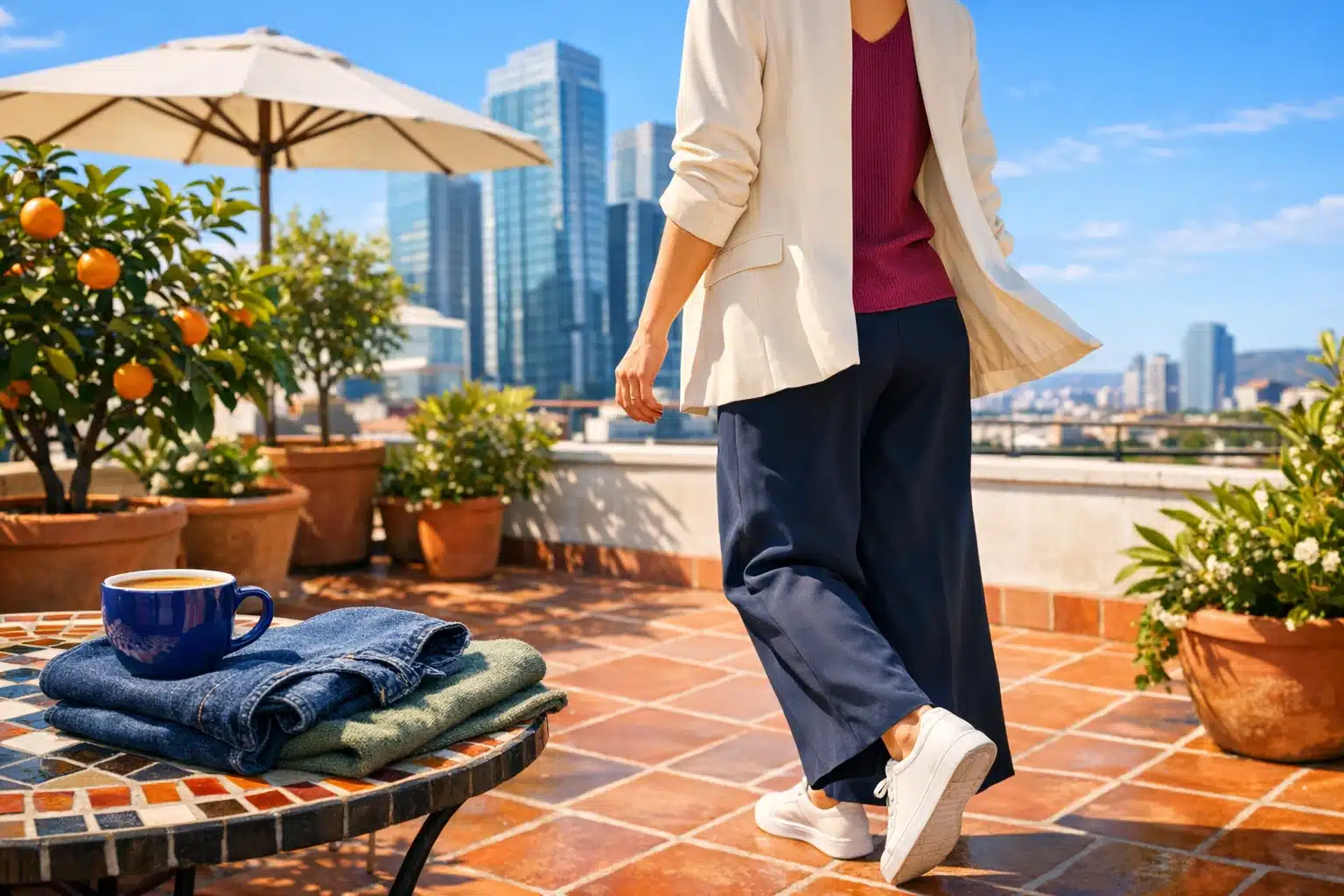
Explore Kohl’s Women’s Clothing Trends and Deals in 2026
In 2026, shopping Kohl’s women’s clothing is less about grabbing the loudest discount and more about spotting the right mix of style, comfort, and staying power. Trend shifts feel faster, budgets feel tighter, and shoppers want pieces that can move from office hours to off-duty plans. Kohl’s sits in that practical middle ground where basics, seasonal fashion, and promotions meet. This guide breaks down what is changing, what is worth watching, and how to shop the deals with a clearer eye.
Outline:
- The defining style directions shaping Kohl’s women’s assortment in 2026
- The clothing categories getting the most attention from practical shoppers
- How deals, promotions, and loyalty mechanics influence real value
- How Kohl’s compares on quality, fit, and convenience against other retail options
- Ways different shoppers can build a stronger wardrobe without overspending
The Style Shift: What Defines Kohl’s Women’s Clothing in 2026
Kohl’s women’s clothing trends in 2026 are being shaped by a simple truth: most shoppers no longer want wardrobes split into stiff categories. Instead of buying one set of clothes for work, another for weekends, and a third for fitness, many are looking for crossover pieces that handle several parts of daily life. That shift shows up clearly in the silhouettes, fabrics, and color stories likely to dominate the Kohl’s floor. Relaxed trousers, softer blazers, knit tops with cleaner lines, elevated denim, and dresses that can be worn with sneakers or loafers all fit this practical mood. The rack is not asking shoppers to reinvent themselves. It is inviting them to edit more intelligently.
One notable pattern is the continued move toward comfort-led tailoring. In earlier years, structured officewear often meant rigid fabrics and sharp shapes. By 2026, the preferred look leans more forgiving. Think stretch blends, draped fits, wide-leg pants, and blazers that skim rather than squeeze. This does not mean style has become sloppy. It means polish now arrives through proportion, texture, and layering rather than stiffness. Kohl’s is especially relevant in this lane because its customer base has long responded to wearable fashion with straightforward styling. A blouse that can go under a jacket on Monday and pair with jeans on Saturday has more value than a trend piece that only works in one setting.
Color also matters. Neutrals remain central because they make mixing easier, but 2026 fashion does not stop at beige and black. Expect muted greens, dusty blues, warm terracotta tones, soft berry shades, and creamy off-whites to show up as bridge colors between seasons. These hues feel current without becoming difficult to style. Shoppers trying to maximize outfit combinations often benefit from this kind of palette because it expands a wardrobe without creating visual chaos. Prints tend to follow the same logic. Smaller florals, softened stripes, abstract motifs, and subtle geometric patterns usually perform better in mainstream retail than overly loud statement designs.
Several style markers stand out when looking at the broader direction of women’s apparel at Kohl’s in 2026:
- Comfortable structure instead of stiff formality
- Versatile separates that work across settings
- Fabrics with stretch, softness, or easier movement
- Color palettes designed for layering and repeat wear
- Trend details that refresh basics without overpowering them
There is also a stronger appreciation for clothing that feels photogenic without being impractical. Social media still influences buying habits, but shoppers are wiser than they were a few years ago. They can usually tell the difference between a garment that looks great for one mirror selfie and one that survives regular use. Kohl’s sits in an interesting position here. It does not compete by being the most experimental destination. It competes by translating trends into pieces that are easier to wear, easier to pair, and often easier to justify. For many women in 2026, that is not a compromise. It is the whole point.
Key Categories to Watch: Denim, Dresses, Workwear, Activewear, and Layering Pieces
If you want to understand where Kohl’s women’s clothing feels most useful in 2026, start with the categories that solve everyday dressing problems. Denim remains a cornerstone, but the mood has changed from ultra-skinny dominance to a more varied landscape. Straight-leg, relaxed-fit, wide-leg, and cropped shapes continue to appeal because they offer room, movement, and styling flexibility. High-rise cuts still matter for many shoppers, yet the bigger story is balance. The best pairs are not merely fashionable; they work with flats, sneakers, ankle boots, and simple heels. Kohl’s tends to perform well when denim is practical rather than highly directional, which is why its assortment often attracts shoppers looking for trend-aware options that do not feel intimidating.
Dresses are another major area of interest, especially those built for repeat use. In 2026, shoppers are increasingly careful about cost per wear. A dress that can handle brunch, travel, casual office settings, or dinner with a change of shoes becomes far more appealing than an occasion piece that spends most of its life in the closet. Midi lengths, tiered shapes, knit dresses, shirt dresses, and wrap-inspired silhouettes fit neatly into this mindset. They flatter a range of body types, layer well, and usually transition across seasons. Kohl’s often benefits from offering dresses in accessible fabrics and familiar cuts, which can feel less risky for shoppers who want style without guesswork.
Workwear deserves its own attention because office dressing has become more complicated, not less. Many women now dress for hybrid schedules, meaning their clothes need to look competent in meetings but not feel overdressed on quieter days. Kohl’s can be useful here when it offers refined basics: ankle pants, fluid blouses, cardigans, knit blazers, and shells that layer neatly under jackets. The strongest workwear pieces in 2026 are not loud power outfits. They are calm, reliable performers. They photograph well on video calls, feel comfortable through long hours, and mix across multiple outfits.
Activewear and casual layering continue to blur into mainstream daily dressing. Leggings, performance tops, zip jackets, fleece pullovers, and soft joggers are no longer confined to workout routines. Many shoppers wear them for errands, travel, school runs, and low-key social plans. The distinction between “gym clothes” and “everyday comfort wear” keeps fading, which gives Kohl’s a clear opportunity. Retailers that can offer athleisure with decent durability and sensible prices stay relevant because these are high-rotation items.
Among the most watched categories in 2026, these stand out:
- Relaxed denim with versatile rises and leg shapes
- Easy dresses that transition across seasons
- Hybrid workwear for office, home, and travel
- Activewear that doubles as casual daily clothing
- Layering essentials such as cardigans, light jackets, and polished tees
Layering pieces may be the least glamorous part of the wardrobe, yet they often deliver the best long-term value. A good cardigan, lightweight trench, knit tank, or soft crewneck can quietly hold dozens of outfits together. If 2026 has a style lesson, it may be this: the most successful cart is not always the one with the flashiest item. Often, it is the one built around pieces that keep showing up in real life.
How Kohl’s Deals Work in 2026: Promotions, Timing, and Real Savings Strategy
For many shoppers, Kohl’s is as much a deals destination as it is a clothing destination. In 2026, that remains true, but getting strong value requires more than waiting for a random sale banner. Smart shoppers pay attention to timing, stacking rules where available, category exclusions, and the difference between a tempting markdown and a truly worthwhile purchase. A shirt marked down heavily is not a bargain if the fit is off, the fabric pills quickly, or the color only works with one pair of pants. Savings feel satisfying, but value is what lasts after the receipt is forgotten.
Kohl’s has long been associated with promotions, and many shoppers enter the store with a deal-first mindset. Common savings tools may include storewide sales, limited-time category discounts, loyalty rewards, and promotional credits such as Kohl’s Cash when offered. The exact mechanics can vary over time, and not every brand or item may qualify the same way. That is why careful reading matters. A practical 2026 shopper is less impressed by big percentage signs alone and more interested in final out-of-pocket cost, return flexibility, and whether the purchase fills a real wardrobe gap.
Seasonal timing still plays a major role. Retail patterns often bring better apparel markdowns as seasons shift, especially when retailers clear transitional inventory to make room for new drops. That means late-winter, post-holiday, back-to-school transitions, and end-of-summer periods can be useful moments to browse. However, basics do not always follow the same cycle as fashion-forward pieces. Core items in popular sizes may sell through before the deepest markdowns arrive. If you are shopping for something foundational, such as neutral trousers, a basic cardigan, or dependable denim, buying during a moderate promotion may be wiser than waiting for a rock-bottom price that only exists after your size disappears.
A strong Kohl’s shopping strategy in 2026 often includes several habits:
- Price the whole outfit, not just a single item
- Check whether a promotion applies to the exact brand or category you want
- Use rewards or promotional credits on high-use essentials where possible
- Compare fabric composition and construction before assuming a markdown means value
- Shop season changes for fashion pieces, but buy core basics when your size is available
Another useful distinction is emotional versus planned shopping. Kohl’s stores and digital promotions can make it easy to add “good enough” items to a cart because the price feels low in the moment. Yet closets get expensive when they are filled with nearly right purchases. The better approach is to build a short list before browsing: perhaps updated jeans, one office-ready blouse, two layering tops, and a lightweight jacket. Then use promotions to support the plan rather than replace it. In that sense, the best Kohl’s deal in 2026 is not necessarily the deepest discount. It is the item you wear fifteen times before the season changes.
Quality, Fit, and Brand Mix: Where Kohl’s Stands Against Other Shopping Options
Kohl’s occupies an interesting space in the women’s clothing market because it sits between several retail worlds at once. It is not a luxury department store, not pure fast fashion, and not a warehouse-style basics outlet. For many consumers, that middle position is exactly why it stays relevant. In 2026, women comparing where to shop are often weighing several trade-offs: price versus fabric quality, trend speed versus wearability, and convenience versus fit consistency. Kohl’s does not win every category for every shopper, but it can make sense when the goal is a balanced purchase rather than an extreme one.
Compared with fast-fashion retailers, Kohl’s often feels more grounded. The styling tends to be less aggressive, which helps shoppers who want to wear trends without feeling as if they are borrowing someone else’s personality. Garments may not always deliver runway-level freshness, but they frequently offer more approachable silhouettes and easier outfit-building potential. That matters for women who need clothes for work, family routines, travel, and casual social settings all in the same month. A softly tailored blazer in a wearable neutral may not be thrilling in the fitting room, yet it often becomes one of the most useful items at home.
Against premium department stores, Kohl’s usually competes on accessibility rather than prestige. The value equation becomes especially attractive when shoppers want decent quality without paying a large premium for branding alone. That said, fit and fabric deserve close attention. No retailer has universal consistency across cuts, and Kohl’s is no exception. One line may fit generously through the hips, while another may run straighter or shorter. Fabric blends also vary widely. A cotton-rich knit will age differently from a thinner synthetic-heavy top, and a lined pant will usually drape better than an unlined version in the same price family. Reading garment details and trying on comparable styles remains essential.
When comparing Kohl’s with other retail routes, these factors often shape the decision:
- Broader size and style accessibility than some trend-driven stores
- More conservative, wearable styling than youth-focused fast fashion
- Lower typical entry prices than many upscale department stores
- Heavy promotional culture that can improve value, but also complicate comparison
- Mixed consistency across brands, making fit knowledge especially important
Shopping online adds another layer. Kohl’s can appeal to customers who like researching reviews, filtering by size or color, and checking promotions without wandering store aisles. Physical stores, however, still matter for categories where fit changes everything, such as denim, trousers, bras, or structured jackets. In 2026, the most satisfied Kohl’s shoppers are often the ones who combine both channels: browsing digitally for options and pricing, then using in-store visits for touch, fit, and final judgment. Fashion is rarely just about what a label promises. It is about what a garment becomes after an ordinary Tuesday, a long commute, or a weekend trip. That is where Kohl’s either earns its place or gets left on the rack.
Building a Smarter Kohl’s Wardrobe in 2026 for Different Budgets and Lifestyles
The most useful way to shop Kohl’s women’s clothing in 2026 is to stop thinking in isolated purchases and start thinking in systems. A wardrobe works better when pieces speak to one another. That does not mean owning fewer things at all costs, and it certainly does not mean dressing in a bland uniform. It means buying with enough intention that your closet feels cooperative instead of argumentative. Kohl’s can support that kind of approach because its assortment often includes the connective tissue of dressing: tops that pair across bottoms, jackets that bridge seasons, dresses that shift tone with accessories, and basics that soften the cost of getting dressed well.
Different shoppers, however, need different strategies. A hybrid worker may prioritize polished separates, while a parent on the move may care more about washability and comfort. A college student might want trend touches without a big financial commitment. A frequent traveler may need wrinkle-resistant pieces that pack neatly and repeat easily. The smart move is to identify the wardrobe’s highest-pressure moments first. If mornings are rushed, outfits must be simple to build. If your schedule changes hour by hour, fabrics need to move and recover well. If you are rebuilding your closet after a life change, the first goal should be versatility rather than volume.
Here are a few practical wardrobe-building approaches that work well with Kohl’s shopping patterns:
- For office-focused shoppers: start with two neutral pants, three tops, one blazer, one cardigan, and a dress that can handle meetings or dinners
- For casual lifestyle shoppers: prioritize dark denim, knit tops, a layering jacket, comfortable sneakers, and one polished outfit for unexpected occasions
- For budget-conscious refreshes: replace the highest-wear items first, such as jeans, underlayers, tees, and everyday sweaters
- For trend-curious shoppers: keep basics grounded, then add one or two seasonal accents through color, print, or silhouette
It also helps to judge clothing by workload. Ask which items will be worn weekly, which monthly, and which only a few times a season. The weekly pieces deserve the strongest quality and the most careful fit. That is where promotions can be especially useful. If a staple gets worn dozens of times, even a moderate discount can create better value than a dramatic markdown on a low-use novelty item. This is the quiet math of a strong wardrobe, and it often beats the thrill of impulsive bargain hunting.
There is room for personality, too. A scarf in a deep berry tone, a textured cardigan, a pair of wide-leg trousers, or a dress with a subtle print can change the rhythm of a closet. Style does not need fireworks to feel alive. Sometimes it arrives like good lighting in a room, making everything else work a little better. In 2026, Kohl’s is most useful to women who know that fashion and frugality do not need to fight. With the right strategy, they can finally share the same hanger.
Conclusion for Practical, Style-Conscious Shoppers
Kohl’s women’s clothing in 2026 makes the most sense for shoppers who want flexibility, familiar styling, and a realistic path to value. The strongest trends are not about chasing extremes, but about finding wearable shapes, useful layers, and fabrics that support everyday life. Deals still matter, yet the smartest savings come from timing purchases well, understanding promotions, and choosing pieces with repeat-wear potential. For women building wardrobes around work, family, travel, or changing routines, Kohl’s can be a worthwhile option when approached with intention. Shop with a plan, compare fit carefully, and let the discount support your wardrobe goals rather than define them.